
If you’re planning to study, work, relocate, get married, or do business abroad, understanding document legalization in Nigeria is essential. Many foreign embassies, universities, employers, and government agencies require Nigerian-issued documents to be legalized before they will recognize them for official use. Without completing this process correctly, your application could be delayed or even rejected.
The challenge is that document legalization isn’t always straightforward. Depending on the type of document and the country where it will be used, you may need to go through several stages. These stages include verification, authentication by the relevant Nigerian authority, and legalization by the destination country’s embassy or consulate. Missing just one step can result in unnecessary expenses and lost time.
Fortunately, the process becomes much easier when you understand what is required. In this guide, you’ll learn how to carry out document legalization in Nigeria, the documents that require legalization, and the costs involved. You will also learn the common mistakes to avoid, and how trusted documentation partners like DocuTrust Africa can help simplify the process from start to finish.
What Is Document Legalization in Nigeria?
Document legalization in Nigeria is the official process of certifying a document so that it is legally recognized and accepted by a foreign country. After a document has been verified by the appropriate Nigerian authorities, it may need to undergo legalization by the embassy or consulate of the destination country before it can be used abroad. This process confirms that the document has passed through the required authentication channels and is suitable for international use.
Furthermore, document legalization is commonly required for individuals who intend to study, work, relocate, get married, conduct business, or pursue immigration opportunities outside Nigeria. It applies to a wide range of personal, educational, legal, and corporate documents, depending on the requirements of the destination country.
Why Is Document Legalization in Nigeria Important?
Document legalization in Nigeria is essential because many foreign governments and institutions will not accept Nigerian-issued documents unless they have been legalized according to their requirements. Hence, without proper legalization, even genuine documents may be rejected, resulting in delays, additional costs, or unsuccessful applications.
Some of the key reasons document legalization is important include:
- Ensures international acceptance: Legalized documents are more likely to be recognized by foreign embassies, immigration authorities, universities, employers, and government institutions.
- Supports visa and immigration applications: Many countries require legalized documents before processing visa, residency, or citizenship applications.
- Facilitates overseas education: Educational institutions abroad often request legalized certificates, transcripts, and other academic records during admission and enrollment.
- Strengthens international business transactions: Legalized corporate documents help businesses establish credibility when expanding internationally or entering cross-border partnerships.
- Reduces the risk of application rejection
- Builds confidence in document authenticity: Legalization gives foreign authorities additional assurance that the document has been properly verified through the appropriate channels.
Which Documents Require Legalization in Nigeria?
The documents that require document legalization in Nigeria depend largely on the purpose of your application and the requirements of the destination country. In most cases, documents intended for international use must first be issued or verified by the appropriate Nigerian authority before proceeding for legalization.
Some of the most commonly legalized documents include:
- Birth Certificates
- Marriage Certificates
- Educational Certificates (WAEC, NECO, NABTEB, ND, HND, Bachelor’s, Master’s, and PhD Certificates)
- Academic Transcripts
- NYSC Certificate of National Service or Exemption Certificate
- Police Character Certificates
- Medical Certificates or Medical Reports (where required)
- Court Affidavits
- Change of Name Documents
- Corporate Affairs Commission (CAC) Documents
- Certificate of Incorporation
- Business Name Registration Documents
- Memorandum and Articles of Association
- Power of Attorney
- Contracts and Other Legal Documents
Authenticate Your Documents with Confidence
Professional assistance for document authentication, verification, certification, and legalization services to help ensure your documents are accepted by the required institutions and authorities.
Start AuthenticationFactors That Affect Document Legalization Fees in Nigeria
The cost of document legalization in Nigeria is not fixed. While there are official government charges for authentication and legalization, the final amount you pay depends on several factors, including the type of document, the destination country, and the processing requirements.
Below are some of the factors that impact document legalization fees in Nigeria:
#1. Type of Document
The type of document being legalized is one of the biggest factors affecting the cost. Personal documents, such as birth and marriage certificates, may attract different fees from educational certificates, corporate documents, commercial contracts, or powers of attorney. Some documents also require additional verification before they can proceed for legalization.
#2. Destination Country
Every country has its own legalization requirements and consular fees. While some embassies charge relatively modest fees, others charge significantly more for the same service. As a result, the country where you intend to use the document plays a major role in determining the overall cost.
#3. Number of Documents or Pages
Legalization fees often increase with the number of documents or pages submitted. If you’re processing multiple certificates, transcripts, or corporate records, each document or page may attract separate government, embassy, or service charges.
#4. Government Agencies Involved
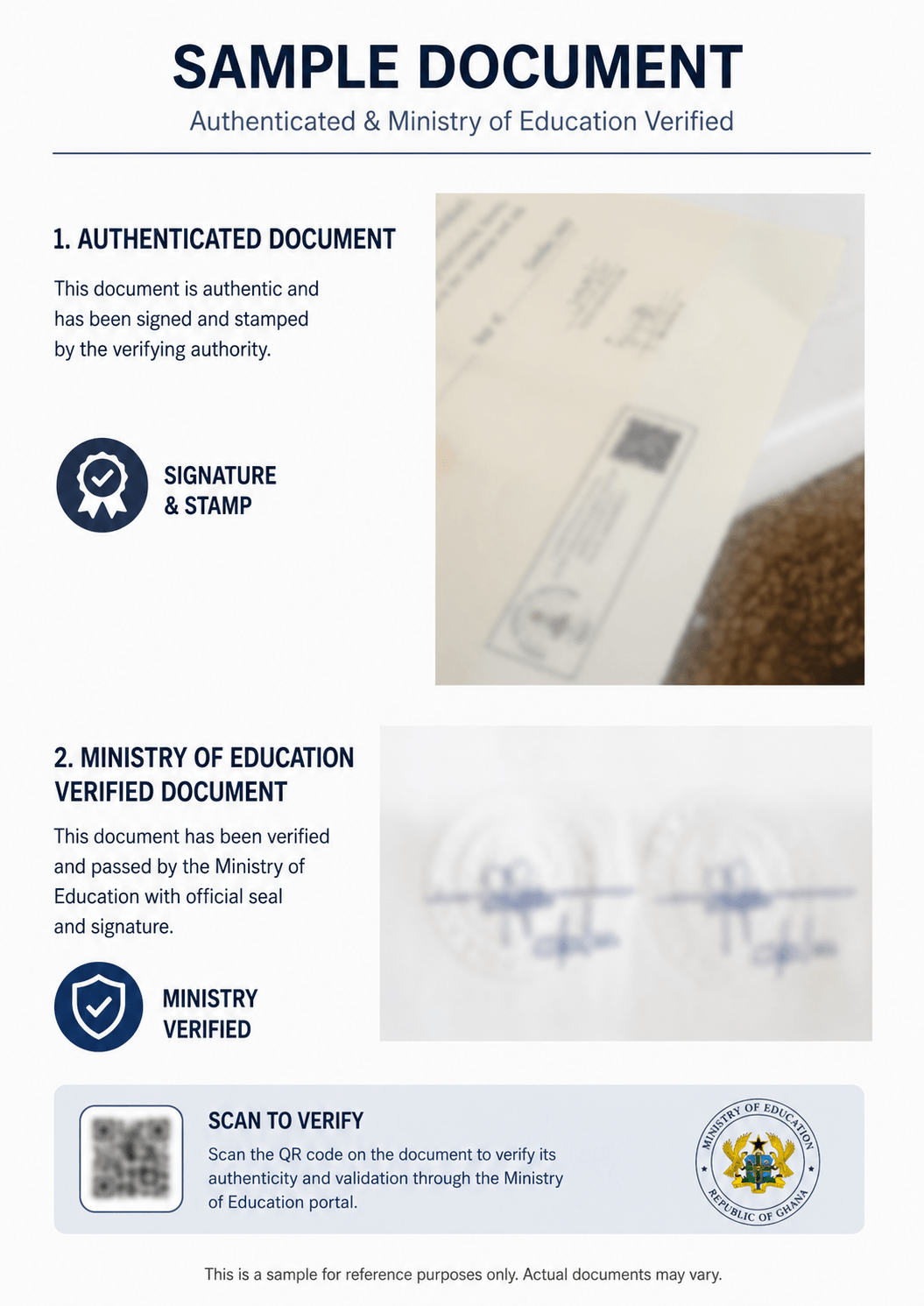
Some documents pass through multiple government agencies before they can be legalized. For example, educational documents may require verification or authentication through the Federal Ministry of Education before proceeding to the Federal Ministry of Foreign Affairs and, where necessary, the destination country’s embassy. Each stage may involve separate fees.
#5. Embassy Legalization Fees
If the destination country requires consular legalization, you’ll need to pay the embassy’s prescribed fee after completing the Nigerian authentication process. Embassy charges vary widely and are determined independently by each country.
#6. Processing Speed
Applicants who need urgent or expedited processing may pay higher fees than those using the standard processing timeline. Some embassies and service providers offer express services at an additional cost.

#7. Professional Documentation Support
Many applicants choose to work with professional documentation support providers to simplify the legalization process. While this involves a service fee, it often helps reduce errors, avoid repeated submissions, and save valuable time. Providers like DocuTrust Africa assist with document review, authentication, legalization support, and application follow-up, making the process more efficient for individuals and businesses.
#8. Applicable Government and Administrative Charges
Beyond legalization fees, applicants should also budget for statutory payments such as Remita charges, administrative fees, courier services (where applicable), and other government processing costs. These additional expenses contribute to the total cost of document legalization in Nigeria and should be considered when planning your application.
How to Carry Out Document Legalization in Nigeria
Because Nigeria is not a member of the Hague Apostille Convention, documents intended for use in many foreign countries must go through a multi-stage legalization process. This process confirms that your document is genuine and meets the legal requirements of the destination country before it can be accepted overseas.
Although the exact procedure varies depending on the document type and the receiving country, the following steps represent the standard process for document legalization in Nigeria.
Step 1: Prepare the Original Document
Begin by obtaining the original document or a certified true copy from the issuing authority. Ensure the document is complete, accurate, and free from alterations. If there are errors in names, dates, or other details, have them corrected before starting the legalization process.
Step 2: Notarization (Where Required)
Some private documents, such as powers of attorney, affidavits, declarations, contracts, and authorization letters, may first need to be notarized by a Notary Public before they can proceed for authentication or legalization.
Not every document requires notarization. Many public documents issued directly by government authorities, such as birth certificates or certain official certificates, may not require this step. Hence, applicants should confirm the specific requirements for their document before proceeding.
Step 3: Verification by the Issuing Authority (Where Applicable)
Certain documents must first be verified by the organization or government agency that issued them.
For example:
- Educational certificates and transcripts may require verification through the Federal Ministry of Education (FME) or the issuing educational institution.
- Corporate documents may require verification by the appropriate registration authority.
- Other public documents may need confirmation from the agency that originally issued them.
Step 4: Authentication by the Federal Ministry of Foreign Affairs (MFA)
After any required verification has been completed, the document is submitted to the Federal Ministry of Foreign Affairs (MFA) for authentication. During this stage, the Ministry verifies the authenticity of the signature, seal, or stamp appearing on the document or on the preceding certification.
Authentication by the MFA confirms that the document is genuine and eligible for international recognition. For many international applications, this is one of the most important stages in the document legalization process in Nigeria.
Step 5: Embassy or Consulate Legalization (Where Applicable)
If the destination country requires consular legalization, the authenticated document must then be submitted to that country’s embassy or consulate in Nigeria. The embassy reviews the authentication issued by the Federal Ministry of Foreign Affairs and applies its legalization endorsement according to its own regulations.
Since embassy requirements differ from one country to another, you should always confirm the specific legalization requirements before submitting your documents.
Step 6: Collect and Review the Legalized Documents
Once the legalization process is complete, carefully inspect every document before leaving the office or accepting delivery. Confirm that all names, dates, signatures, stamps, and endorsements are accurate. Identifying errors immediately can prevent unnecessary delays with visa applications, overseas admissions, employment opportunities, or international business transactions.
Step 7: Seek Professional Assistance When Needed
Document legalization often involves multiple government agencies, varying embassy requirements, and strict documentation standards. For applicants who prefer a smoother process, professional documentation support providers such as DocuTrust Africa offer guidance throughout each stage. From reviewing documents and coordinating authentication to facilitating embassy legalization where applicable. This helps reduce paperwork errors, save time, and improve the chances of successful international document acceptance.
Authenticate Your Documents with Confidence
Professional assistance for document authentication, verification, certification, and legalization services to help ensure your documents are accepted by the required institutions and authorities.
Start AuthenticationHow Much Does Document Legalization Cost in Nigeria?
The total cost to legalize a document in Nigeria generally ranges from ₦30,000 to over ₦200,000 per document. The final price is heavily dependent on the specific foreign embassy involved and whether you use a third-party agent. Because legalization requires a multi-stage government verification process, costs are accumulated at each step.
Common Mistakes to Avoid During Document Legalization in Nigeria
Although document legalization in Nigeria follows a structured process, many applicants experience delays because of avoidable mistakes. Here are some mistakes to avoid:
- Failing to confirm embassy requirements, as every country has its own legalization procedures
- Skipping document verification
- Submitting incomplete or damaged documents
- Providing inconsistent personal information
- Avoid waiting until the last minute before starting the process
- Avoid using unverified agents
- Ensure to review the finalized documents before submition
Frequently Asked Questions About Document Legalization In Nigeria
Does Italy require legalization of documents?
Yes, Italy requires most foreign-issued documents to be legalized or apostillated to be legally recognized. This verifies the document’s origin so Italian authorities can accept it.
How do I legalize documents in the Italian embassy in Nigeria?
To legalize documents, have them authenticated by the Nigerian Ministry of Foreign Affairs and translated into Italian by an approved translator. Then, book an appointment online to submit your physical documents to either the Italian Embassy in Abuja or the Consulate General in Lagos, depending on your state.
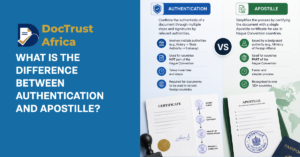
What is the difference between document authentication and document legalization?
Document authentication is the process by which the appropriate Nigerian authority verifies that a document, signature, or official seal is genuine. Document legalization, on the other hand, is usually the next step, where the embassy or consulate of the destination country certifies the authenticated document for use within its jurisdiction.
How long does document legalization take in Nigeria?
Document legalization and authentication in Nigeria typically takes between 2 to 8 weeks, depending on the type of document, the level of certification required, and the destination country.
Why should I use a professional document legalization service?
Document legalization often involves multiple government agencies, embassy requirements, and strict documentation procedures. Therefore, working with an experienced provider like DocuTrust Africa can simplify the process by helping you prepare the correct documents, avoid common errors, monitor your application, and reduce the likelihood of delays or rejected submissions.
Can DocuTrust Africa help me with document legalization in Nigeria?
Yes. DocuTrust Africa provides professional support throughout the document legalization process. From reviewing your documents and explaining the requirements to assisting with authentication and coordinating the legalization process, the platform helps applicants complete their applications more efficiently while minimizing costly mistakes.