
If you’ve searched how long is the validity of authenticated documents, you’re in the right place. This means you’re probably preparing documents for an embassy, foreign university, international employer, or overseas business transaction. Well, you’re asking the right question because authentication is a mandatory requirement for many international applications. Governments around the world, including the United States and the United Kingdom, require authenticated or legalized foreign public documents before they can be accepted for official use.
Unfortunately, many applicants assume that once a document has been authenticated, it can be used indefinitely. Authentication generally does not have a fixed expiration date. However, the institution requesting the document may require a recently issued police certificate, medical report, or newly authenticated copy depending on its internal policies.
Rather than discovering these requirements after your application has been delayed, it’s better to understand them beforehand. This article explains:
- If authenticated documents expire in Nigeria
- What affects the validity of authenticated documents
- How long is the validity of authenticated documents
- When re-authentication may be required and many more.
How Long Is the Validity of Authenticated Documents?
If you’re wondering how long is the validity of authenticated documents, the answer is that document authentication itself generally does not have a universal expiration date. Authentication confirms that, at the time it was issued, the signature, seal, or stamp on a document was genuine and recognized by the appropriate authority. However, whether an authenticated document remains acceptable depends on the organization or country requesting it, not the authentication stamp alone.
For example, an embassy, university, employer, or government agency may require documents that were authenticated or issued within a specific period, especially for documents whose contents can change over time, such as police clearance certificates or medical reports. For this reason, you should always check the requirements of the receiving institution before submitting your documents.

Do Authenticated Documents Expire in Nigeria?
A common misconception is that every authenticated document in Nigeria automatically expires after a certain period. In reality, authentication itself does not usually expire. Instead, whether an authenticated document is still accepted depends on the validity of the original document and the requirements of the receiving institution, employer, embassy, or government agency.
To make it easier to understand, authenticated documents generally fall into two categories:
Documents That Generally Do Not Expire
These are permanent records. Once they have been properly authenticated, the authentication usually remains valid because the documents themselves do not have an expiry date. However, some institutions may request a recently authenticated copy as part of their internal policies.
- Birth Certificate: A permanent civil record that does not expire.
- Marriage Certificate: Remains valid unless legally annulled or replaced.
- WAEC, NECO, and NABTEB Certificates: Educational qualifications remain valid for life.
- University Degree Certificates: Bachelor’s, Master’s, and PhD certificates do not expire.
- National Diploma (ND), Higher National Diploma (HND), and NCE Certificates: Permanent academic qualifications.
- Academic Transcripts: Do not expire, although some institutions may request recently issued transcripts.
- Certificate of Incorporation: Remains valid as long as the company exists and complies with applicable laws.
- Professional Qualification Certificates: Certificates issued upon completing a professional qualification generally do not expire, although practising licences issued by professional bodies may require periodic renewal.
- Deed of Assignment, Certificate of Occupancy (C of O), and Other Land Documents: These remain valid unless revoked, replaced, or affected by a legal decision.
Documents That May Expire or Require Re-authentication
These documents have a built-in validity period or contain information that can change over time. If the document expires, you may need to obtain a new copy and, where required, authenticate it again.
- Police Character Certificate: Commonly accepted for 3 to 6 months, depending on the destination country or institution, because a person’s criminal record may change.
- Medical Reports and Medical Certificates: Often valid for 3 to 12 months, as an individual’s health condition can change over time.
- Certificate of Good Standing: Usually issued by professional bodies and may have a limited validity period because a member’s registration or disciplinary status can change.
- Tax Clearance Certificate (TCC): Typically valid for the relevant tax assessment year and must be renewed annually to reflect current tax compliance.
- Affidavits (where institutions specify validity): Affidavits do not automatically expire under Nigerian law. However, some organizations only accept affidavits sworn within a specified period, such as the last 3 or 6 months, to ensure the information is current.
- Bank Statements and Financial Reference Letters: Usually accepted only if issued within the last 30 to 90 days, as they reflect your current financial status.
- Employment Reference or Introduction Letters: Many employers and immigration authorities require recently issued letters to confirm your current employment status.
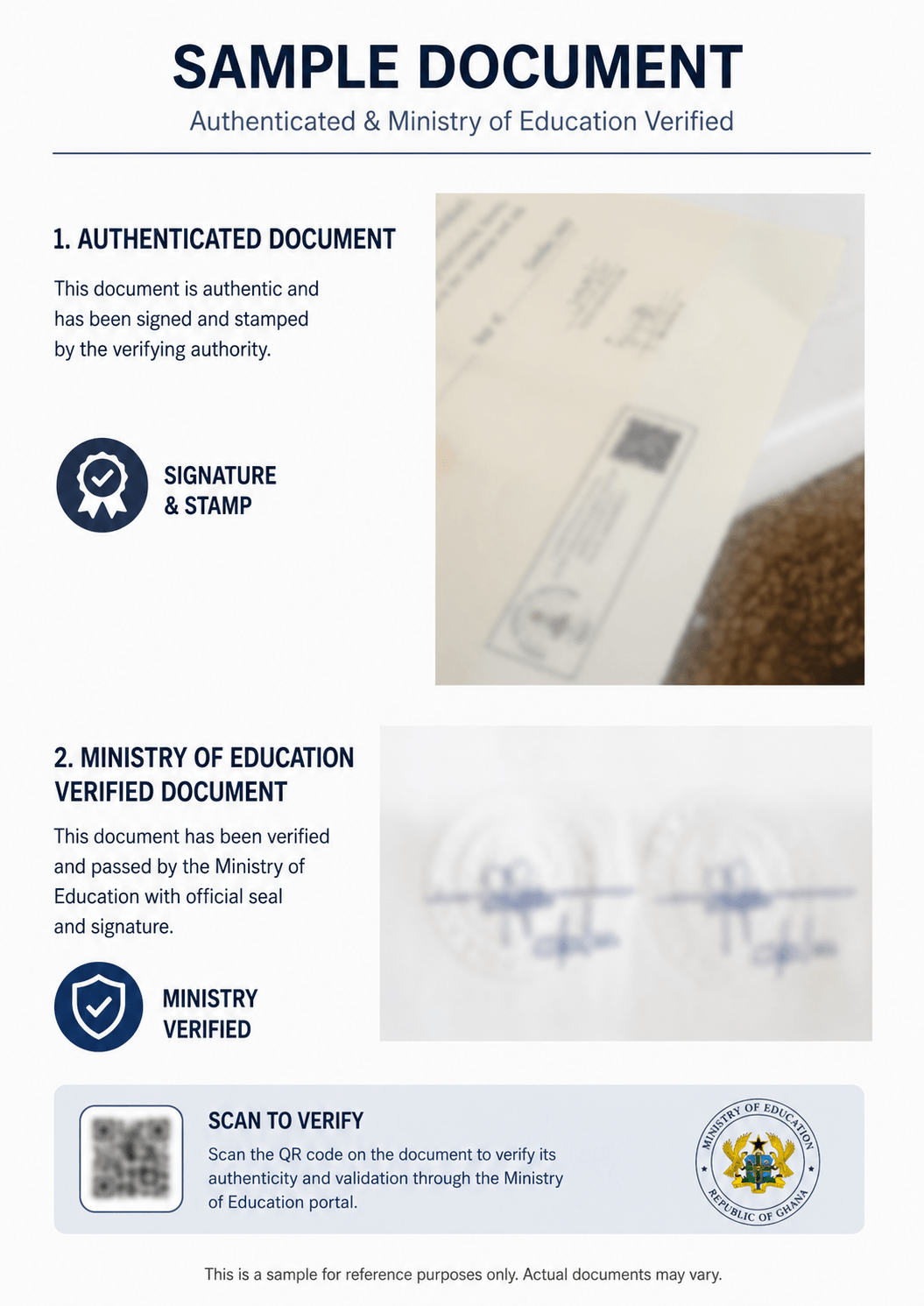
Authenticate Your Documents with Confidence
Professional assistance for document authentication, verification, certification, and legalization services to help ensure your documents are accepted by the required institutions and authorities.
Start AuthenticationWhat Factors Affect the Validity of Authenticated Documents?
When considering how long is the validity of authenticated documents, several factors determine whether an authenticated document will continue to be accepted for official use. These factors include:
- The type of document: Permanent records such as birth certificates, marriage certificates, and educational certificates are generally treated differently from time-sensitive documents like police clearance certificates or medical reports.
- The requirements of the receiving institution: Embassies, universities, employers, and government agencies may set their own policies regarding how recently a document must have been authenticated or issued before they will accept it.
- The destination country: Authentication and legalization requirements vary from one country to another. Some countries may require additional embassy legalization or have specific timelines for accepting authenticated documents.
- Changes to the document: If the original document is amended, corrected, replaced, or reissued, the previous authentication may no longer be appropriate. A fresh authentication may be required for the updated document.
- The purpose of the application: Documents submitted for immigration, employment, education, business registration, or legal proceedings may each be subject to different validity expectations depending on the applicable regulations.
Can You Use Authenticated Documents More Than Once?
Yes, in many cases, authenticated documents can be used more than once, provided the receiving institution accepts them and the underlying document remains valid. If you’ve ever wondered how long is the validity of authenticated documents, it’s important to understand that authentication itself often remains valid. However, acceptance depends on the requirements of the organization requesting the document.
What Happens When Authenticated Documents Are No Longer Accepted?
There are situations where an authenticated document may no longer be accepted, even though the authentication itself has not technically expired. This usually happens because the receiving organization has specific documentation policies or the underlying document is no longer considered current.
For instance, an embassy may require a newly issued police character certificate, a recently authenticated educational document, or a fresh medical report as part of its application process. Likewise, if a document has been corrected, replaced, or updated since it was authenticated, the previous authentication may no longer apply to the revised document.
When this happens, you will need to obtain an updated version of the document and, where required, complete the authentication or legalization process again before submitting it. Therefore, acting promptly and confirming the latest requirements with the receiving institution can help prevent missed deadlines.
If you are unsure whether your documents are still acceptable, our team of professionals at DocuTrust Africa can help review the requirements, identify whether re-authentication is necessary, and guide you through the appropriate process.
How Can You Keep Your Authenticated Documents Valid for Future Use?
Generally, you cannot control the policies of embassies or other institutions. However, there are several practical steps you can take to maximize the usefulness of your authenticated documents and reduce the need for repeat processing. Here are a few suggestions:
#1. Store Documents Properly
Keep authenticated documents in a safe, dry place where they are protected from damage, moisture, or accidental loss. Physical damage can affect the document’s acceptance.
#2. Keep Digital Copies
Scan and securely save electronic copies of your authenticated documents. While digital copies may not replace the originals, they make it easier to retrieve information and prepare for future applications.
#3. Monitor Institution Requirements
Before submitting any authenticated document, check the latest requirements of the embassy, university, employer, or government agency. Requirements can change over time, even if your document has already been authenticated.
#4. Update Time-Sensitive Documents
Documents such as police character certificates, medical reports, and other records with limited validity should be renewed before they expire. If required, have the updated documents authenticated before submission.
#5. Avoid Altering Authenticated Documents
Do not make changes, corrections, or additions to a document after it has been authenticated. If the original document is modified, you may need to obtain a new authentication for the revised version.
#6. Seek Professional Guidance When Necessary
If you’re uncertain whether your authenticated documents are still suitable for a new application, consulting a trusted documentation support provider can save time and prevent costly mistakes. At DocuTrust Africa, we assist applicants in reviewing document requirements, determining whether re-authentication is needed, and navigating the authentication process efficiently.
Where Can You Authenticate or Re-authenticate Documents in Nigeria?
If you need to authenticate a document for the first time or you’re wondering where to re-authenticate documents in Nigeria, it’s important to use the appropriate government authorities or a trusted documentation service. The right option depends on the type of document, the destination country, and the specific requirements of the institution requesting it.
Here are the main places where you can authenticate or re-authenticate documents in Nigeria:
#1. DocuTrust Africa
If you’re looking for a convenient and reliable way to authenticate or re-authenticate your documents, DocuTrust Africa provides end-to-end documentation support. We assist with document review, application guidance, submission, and follow-up, helping individuals and businesses complete the process accurately and efficiently. This is particularly helpful for applicants who are unfamiliar with the requirements or need to meet strict embassy or application deadlines.

#2. Federal Ministry of Foreign Affairs (MFA)
The Ministry of Foreign Affairs is the primary government authority responsible for authenticating many Nigerian public documents intended for international use. Once authenticated, these documents can be presented to foreign embassies or consulates where additional legalization is required.
#3. Federal Ministry of Education (FME)
Typically, educational certificates, transcripts, and other academic records may need to pass through the Federal Ministry of Education before proceeding to the Ministry of Foreign Affairs or the relevant foreign embassy, depending on the destination country’s requirements. All these can be done online according to the recent announcement by the Federal Ministry of Education.
#4. The Original Issuing Authority
If a document has been corrected, updated, or reissued, applicants may first need to obtain a fresh copy from the institution that originally issued it. For example, universities issue updated academic records, while government agencies may issue corrected civil documents before authentication can begin again.
#5. Foreign Embassies or Consulates
Some countries require embassy or consular legalization after authentication by Nigerian authorities. In such cases, the authenticated document must be submitted to the destination country’s embassy or consulate before it can be used overseas.
Authenticate Your Documents with Confidence
Professional assistance for document authentication, verification, certification, and legalization services to help ensure your documents are accepted by the required institutions and authorities.
Start AuthenticationFAQs on How Long is the Validity of Authenticated Documents
What documents do I need for document authentication in Nigeria?
The required documents depend on what you intend to authenticate. Generally, you’ll need the original document (or a certified true copy where applicable), a valid means of identification, and any supporting documents required by the relevant authority. Some applications may also require verification from the issuing institution before authentication can begin.
Do I need to authenticate my documents again if they have been corrected or replaced?
In most cases, yes. If the original document has been corrected, amended, or reissued after it was authenticated, you will usually need to authenticate the updated version. This is because the previous authentication applies only to the original document that was verified.
Can DocuTrust Africa help me authenticate or re-authenticate my documents?
Yes. DocuTrust Africa provides professional support for both document authentication and re-authentication. The team assists with reviewing document requirements, guiding applicants through the appropriate process, coordinating submissions, and helping ensure documents are properly prepared for embassy verification and international use.
Can I authenticate documents for someone else in Nigeria?
Yes, in many cases, you can assist someone else with document authentication, provided you have the required authorization and supporting documents. The exact requirements may vary depending on the type of document and the government agency involved. If you’re unsure about the process, at DocuTrust Africa we’re committed to guiding people like you on the necessary authorizations and documentation to help avoid delays.
Why should I use DocuTrust Africa instead of processing my documents on my own?
While applicants can handle the process themselves, many choose DocuTrust Africa because it simplifies the experience. We help applicants understand the requirements, minimizes documentation errors, coordinates the authentication process, and provides professional support from start to finish. This can save valuable time, especially if you’re working with embassy or application deadlines.
References